
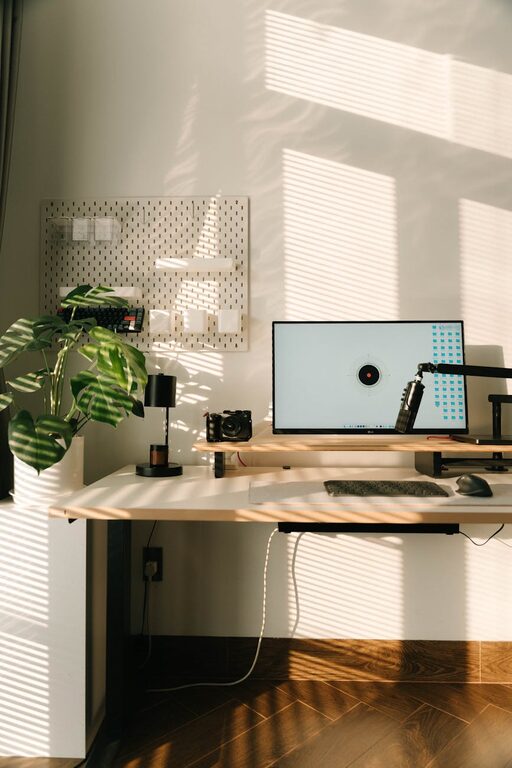
Creating a relaxing home workspace is essential for maintaining focus, reducing stress, and improving overall well-being while working from home. Whether you’re working full-time remotely or occasionally tackling tasks at home, a calm and comfortable environment can make a big difference in your daily routine. Here are some practical tips to help you design a home workspace that promotes relaxation and productivity.
Choose the Right Location
The foundation of a relaxing workspace begins with selecting an appropriate spot in your home. Ideally, pick a quiet area with minimal distractions where you can concentrate. If possible, choose a space with natural light, such as near a window, to uplift your mood and reduce eye strain.
Avoid working in places associated with relaxation or sleep, like your bedroom or sofa, as this can blur the boundaries between work and rest. Instead, set up a dedicated workspace that your mind associates with focus and productivity.
Invest in Comfortable Furniture
Comfort is key when working for extended periods. A supportive chair that encourages good posture will help prevent back pain and fatigue. Look for adjustable chairs that fit your body and desk height.
Choose a desk that offers ample space for your computer, documents, and other essentials. Standing desks or adjustable-height desks are also options worth considering if you want to alternate between sitting and standing throughout the day, which can boost energy and reduce discomfort.
Optimize Lighting
Proper lighting is crucial to creating a relaxing and productive environment. Natural light, as mentioned, is the best option. Position your desk perpendicular to windows to avoid glare on your screen but still benefit from daylight.
Supplement natural light with adjustable task lighting like desk lamps with warm light bulbs. Avoid harsh overhead fluorescents that can cause eye strain and headaches.
Declutter and Organize
Clutter creates visual noise and can increase stress levels. Keep your workspace neat and organized by regularly decluttering and putting away items you don’t need.
Use storage solutions such as drawers, shelves, and desk organizers to keep supplies within reach but out of sight when not in use. A clean environment helps maintain a clear mind and better focus.
Personalize with Calming Elements
Adding personal touches can help create a soothing atmosphere. Consider incorporating elements that make you feel relaxed and happy:
– Plants: Simple desk plants or small indoor greenery improve air quality and add a touch of nature.
– Artwork: Choose calming images or prints that inspire without distracting.
– Aromatherapy: Use a subtle diffuser with scents like lavender or eucalyptus to promote calmness.
– Soft Textures: Incorporate a cozy throw blanket or cushioned seat pad for extra comfort.
These small additions can make your workspace feel welcoming and less sterile.
Manage Noise Levels
Noise can be a significant source of distraction and stress. Depending on your environment, you might want to:
– Use noise-canceling headphones or earplugs to block out background noise.
– Play soft instrumental music or white noise to mask distracting sounds.
– Consider sound-absorbing materials like rugs, curtains, or wall hangings to reduce echo and outside noise.
Finding the right balance helps maintain focus and keeps your workspace peaceful.
Incorporate Break Areas
Even in small spaces, try to carve out a separate spot near your workspace for short breaks. This could be a comfortable chair or a meditation cushion.
Taking regular breaks away from your desk helps refresh your mind and prevents burnout. Use this spot to stretch, deep breathe, or practice mindfulness for a few minutes during the day.
Set Boundaries and Routines
A relaxing workspace also depends on your habits. Establish clear work hours and stick to them to avoid overworking and burnout.
Create a routine that includes time for breaks, physical activity, and disconnecting from work at the end of the day. Communicate these boundaries with others in your home when necessary to minimize interruptions.
Keep Technology in Check
While technology connects us to work, it can also be a source of stress. Organize your cables neatly using clips or sleeves to avoid tangles and clutter.
Manage notifications by turning off non-essential alerts during focused work times. Consider using apps or tools that help you stay on task without distractions.
Maintain Air Quality and Temperature
A comfortable workspace isn’t just about furniture and decor; air quality and temperature play a big role in comfort. Ensure your work area is well-ventilated—open windows if possible or use an air purifier.
Keep the temperature comfortable—not too hot or cold—since discomfort can affect concentration.
—
By thoughtfully designing your home workspace with these tips, you can create an environment that fosters relaxation and enhances productivity. Remember, small changes often make the biggest impact, so start with a few adjustments and build from there. Your mind and body will thank you for it!